AI Tools for Agencies for Workflow Automation
Transform Your Marketing Strategy With Cutting-Edge AI Services
The integration of artificial intelligence into marketing strategies offers a considerable opportunity for businesses to optimize their approaches. By employing AI tools, companies can enhance customer engagement and streamline operations. Sophisticated analytics and automation provide insights that were previously impossible to achieve. As organizations commence to adopt these technologies, the potential impacts on consumer behavior and marketing effectiveness deserve further exploration. What strategies will emerge as the most impactful in this evolving landscape?
Grasping AI and Its Role in Marketing
As businesses increasingly search for innovative ways to engage consumers, understanding AI's role in marketing becomes essential. Artificial Intelligence functions as a transformative force, enabling brands to analyze enormous volumes of data quickly and efficiently. By employing machine learning algorithms, companies can recognize consumer preferences, predict buying behaviors, and customize their marketing strategies accordingly.
AI tools support the segmentation of audiences, allowing marketers to create tailored campaigns that resonate with specific demographic groups. Moreover, AI improves the efficiency of marketing operations by automating regular tasks such as data collection and performance tracking, liberating human resources for more strategic endeavors.
Moreover, AI's ability to provide real-time insights enables businesses to adapt their strategies quickly, contributing to improved decision-making. As digital landscapes develop, the integration of AI in marketing becomes not just valuable but crucial for maintaining competitive edge and relevance in a rapidly changing marketplace.
Enhancing Customer Engagement Through AI Tools
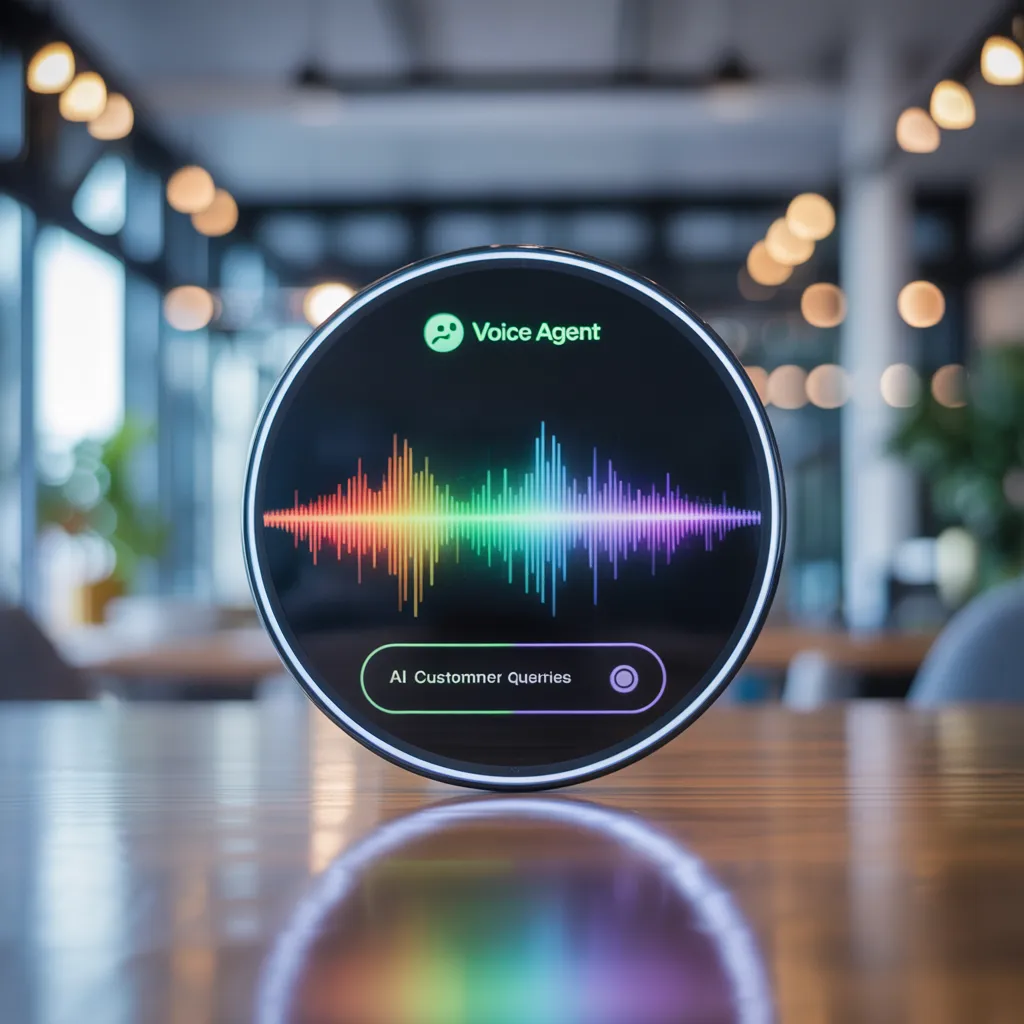
The integration of AI tools in marketing not only streamlines operations but also substantially enhances customer engagement. By employing machine learning algorithms and data analytics, businesses can create tailored experiences that resonate with their audience. AI-driven chatbots, for illustration, deliver instant support and tailored recommendations, fostering immediate interaction and satisfaction.
Additionally, sentiment analysis tools allow brands to gauge customer emotions and preferences, enabling them to improve their messaging and product offerings accordingly. Predictive analytics further empowers marketers to predict customer needs, ensuring well-timed and relevant communications.
Social media platforms also gain from AI, as algorithms analyze user behavior to deliver targeted advertisements and content, thereby boosting engagement metrics. Ultimately, AI tools act as invaluable assets, transforming how brands connect with their customers, driving loyalty, and enhancing overall user experience. Through these advanced solutions, companies can effectively nurture relationships and cultivate a strong community around their brand.
Streamlining Operations Through Automation
Countless businesses are increasingly embracing automation to streamline their operations and improve efficiency. By integrating automated systems, companies can minimize manual tasks, minimize human error, and boost productivity. Automation technologies, such as robotic process automation (RPA) and workflow management systems, allow organizations to optimize regular processes like data entry, inventory management, and customer service.
These advancements not only aid in accelerating workflow but also release valuable human resources to focus on more strategic initiatives. For example, chatbots can handle customer inquiries continuously, offering quick responses and boosting satisfaction without the need for constant human oversight. Moreover, automated reporting tools can generate insights swiftly, enabling teams to make informed decisions promptly.
Gaining Insights With Predictive Analytics
Predictive analytics serves as a powerful tool for organizations seeking to improve decision-making and strategic planning. By leveraging refer to this page historical data and advanced statistical techniques, businesses can discover patterns and trends that inform future outcomes. This capability allows organizations to determine customer preferences, forecast demand, and optimize marketing campaigns effectively.
Through predictive modeling, companies can segment their audiences more exactly, customizing messages that resonate with targeted demographics. This targeted approach not only enhances customer engagement but also increases conversion rates. Moreover, predictive analytics helps organizations allocate resources effectively, reducing waste and maximizing return on investment.
In the rapidly changing marketplace, the ability to predict changes and adjust strategies accordingly is priceless. By leveraging the insights derived from predictive analytics, organizations position themselves to remain competitive, innovate, and achieve lasting success. In the end, the integration of these insights into marketing strategies can result in more informed decisions and improved overall performance.
Implementing AI Solutions in Your Marketing Strategy
Integrating AI solutions into a marketing strategy can significantly boost efficiency and effectiveness. Businesses can utilize AI tools to analyze consumer behavior, allowing for highly targeted campaigns that resonate with particular audiences. By leveraging machine learning algorithms, companies can automate tasks such as content generation and email marketing, freeing up valuable time for marketers to focus on strategy and creativity.
Furthermore, AI-driven chatbots deliver around-the-clock customer support, enhancing user experience and engagement. Predictive analytics helps organizations forecast trends, enabling proactive decision-making and resource allocation.
Furthermore, AI can optimize ad spend by analyzing performance data in live time, ensuring that marketing budgets are used effectively. By embracing these technologies, companies can not only streamline operations but also enhance their competitive edge in the marketplace. Implementing AI solutions is no longer a luxury; it is a necessity for businesses looking to thrive in a rapidly evolving digital landscape.
Frequently Asked Questions
How Can Small Businesses Afford AI Marketing Solutions?
Small businesses can afford AI marketing solutions by utilizing scalable subscription models, investigating free or low-cost tools, partnering with technology providers for discounts, and focusing on focused applications that offer the highest return on investment.
What Are the Risks of Using AI in Marketing?
The risks of using AI in marketing include data privacy concerns, algorithmic bias, excessive dependence on automation, and potential misalignment with brand values. These factors can negatively impact customer trust and overall marketing effectiveness.
Can AI Replace Human Marketers Entirely?
AI cannot completely replace human marketers due to the nuanced understanding of consumer behavior, creativity, and emotional intelligence that humans possess. While AI enhances efficiency, the human touch remains crucial for impactful marketing strategies.
How Do I Choose the Right AI Tool for My Business?
To choose the right AI tool, one should assess particular business needs, assess features and scalability, compare costs, look for user reviews, and consider integration capabilities with existing systems to assure optimal performance and support.
What Industries Benefit Most From AI Marketing Services?
Industries such as retail, healthcare, finance, and travel benefit most from AI marketing services. These sectors leverage AI to improve customer engagement, customize experiences, optimize operations, and improve data analysis for strategic decision-making.